

The complete guide
How to Choose an L-Shaped Modular Lounge That Actually Fits Your Room
The seating problem nobody talks about
Walk into most living rooms and you will find seating that works fine for ten minutes and badly for two hours. A standard three-seater puts everyone upright with their knees at the same angle. One person claims the end spot with the armrest, everyone else sits in the middle with nowhere to lean. By the second episode, somebody has slid onto the floor with a cushion.
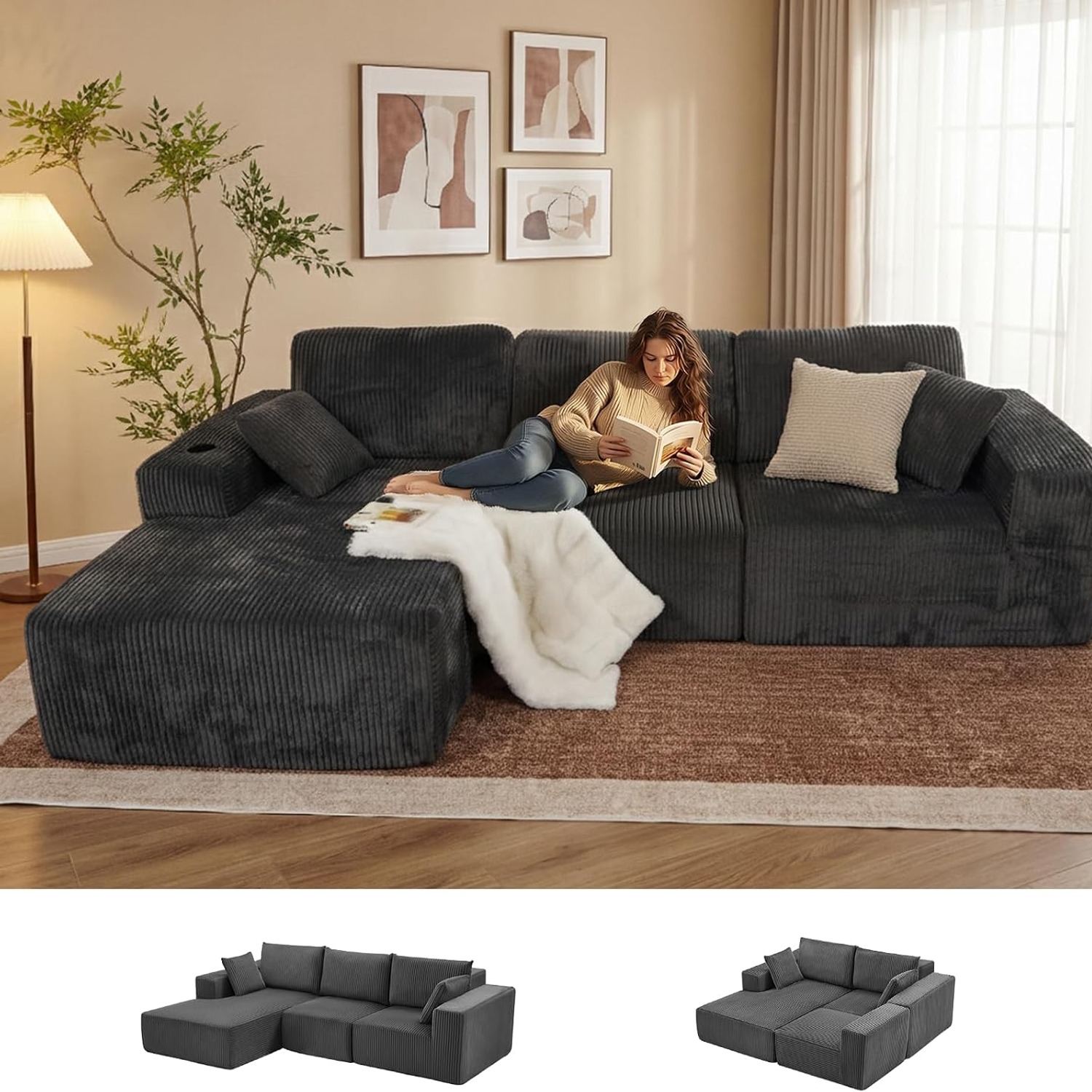
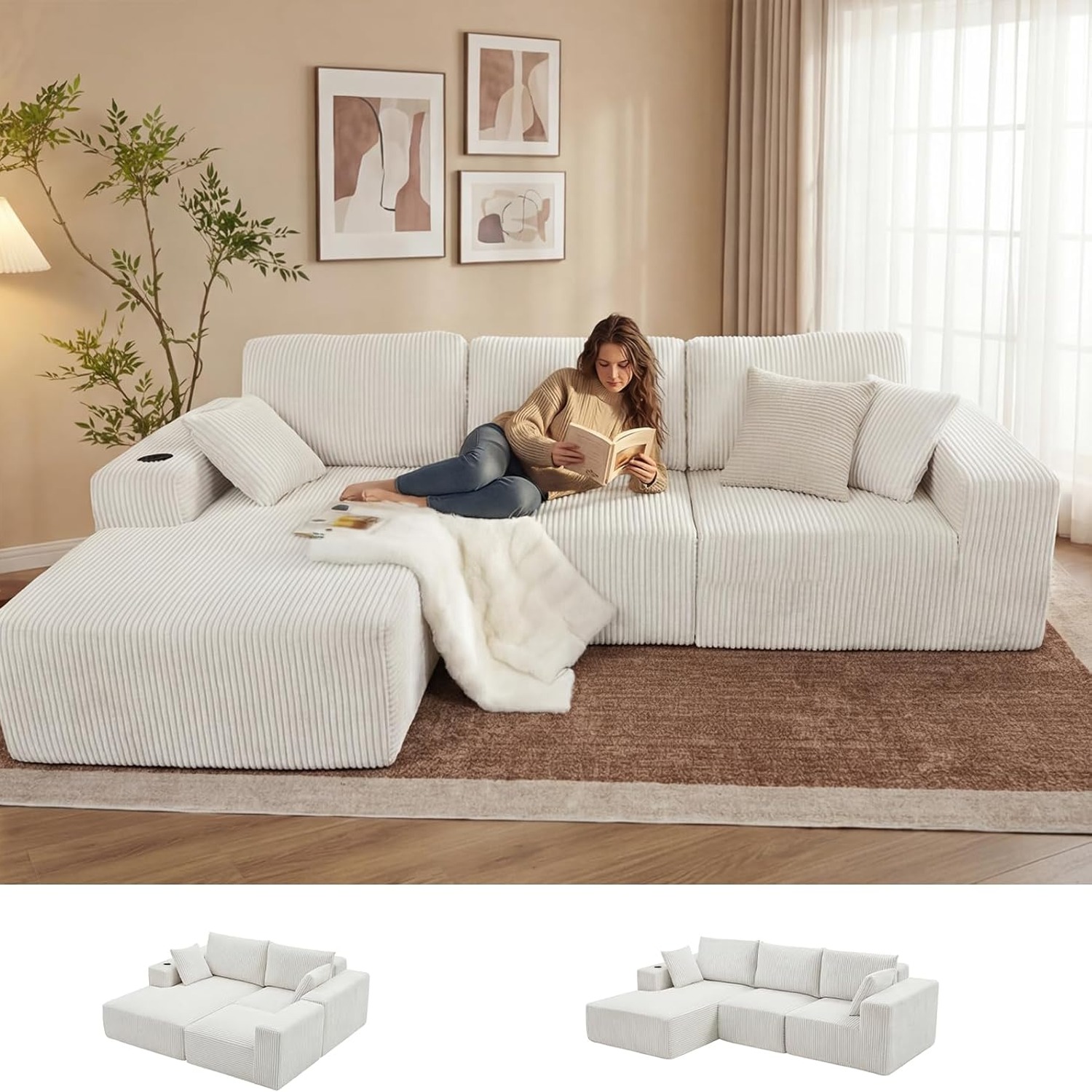
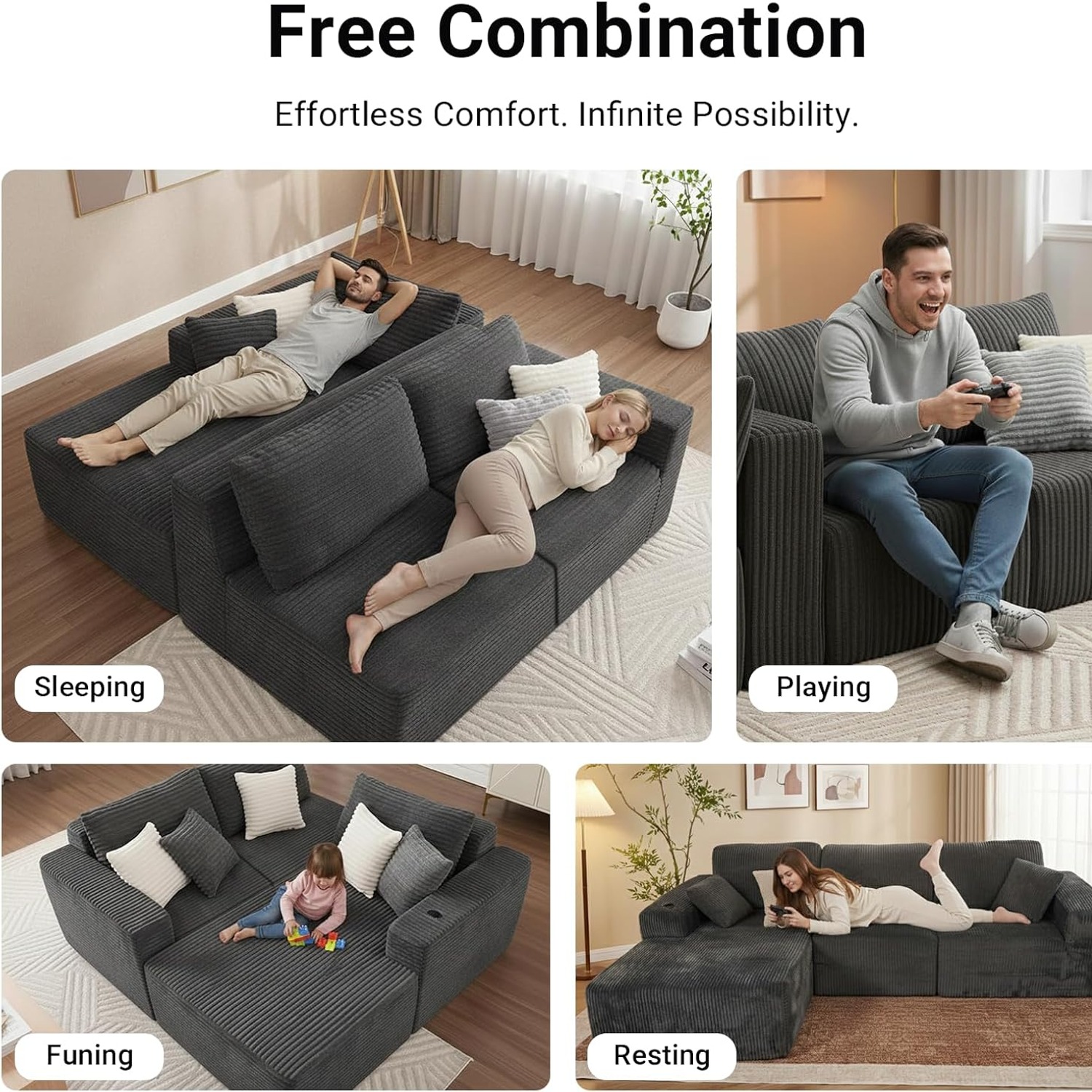
The issue is depth and shape, not size. A sofa can be long and still give you nowhere to properly rest. What changes the experience is a seat deep enough to pull your feet up, a back that supports you wherever you land, and a chaise at one end for the person who wants to lie flat. That is the case for an L shaped modular lounge. It is less about filling the wall and more about giving people somewhere to genuinely relax.
How this lounge is built
Start with the cushions, because that is what you feel. The seats combine memory foam with spring packs. Those two materials do different jobs. Memory foam responds to body heat and pressure, so it moulds around you after a minute or so of sitting. Springs underneath carry the structural load, which is what stops the seat compressing into a permanent hollow where everyone sits.
Foam on its own tends to go one of two ways over time. Cheap foam flattens. Very firm foam never softens. Pairing foam with springs gives a medium firmness that sinks a little without bottoming out. The firmness rating here is medium, and the back support is also medium, which suits most people for long sitting.
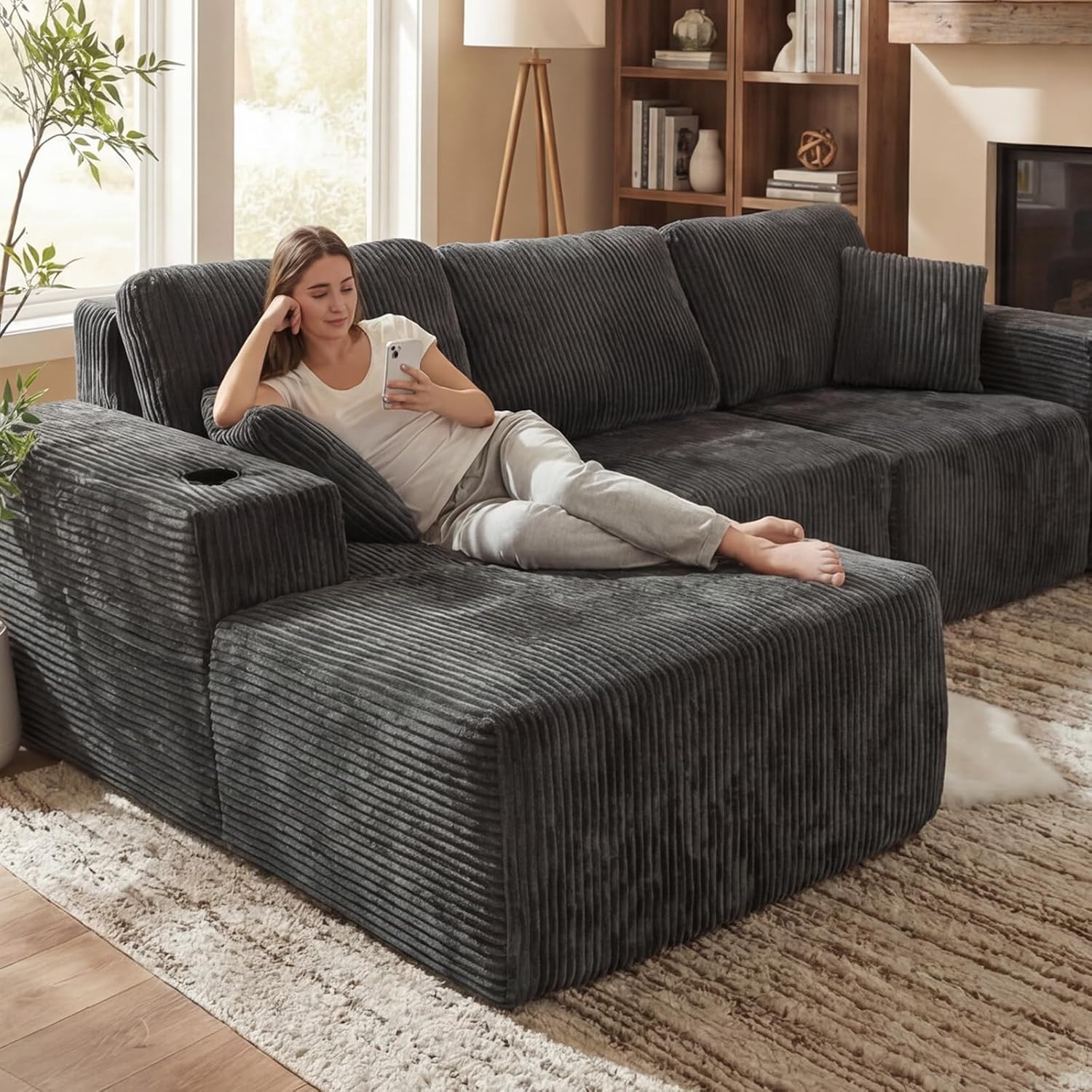
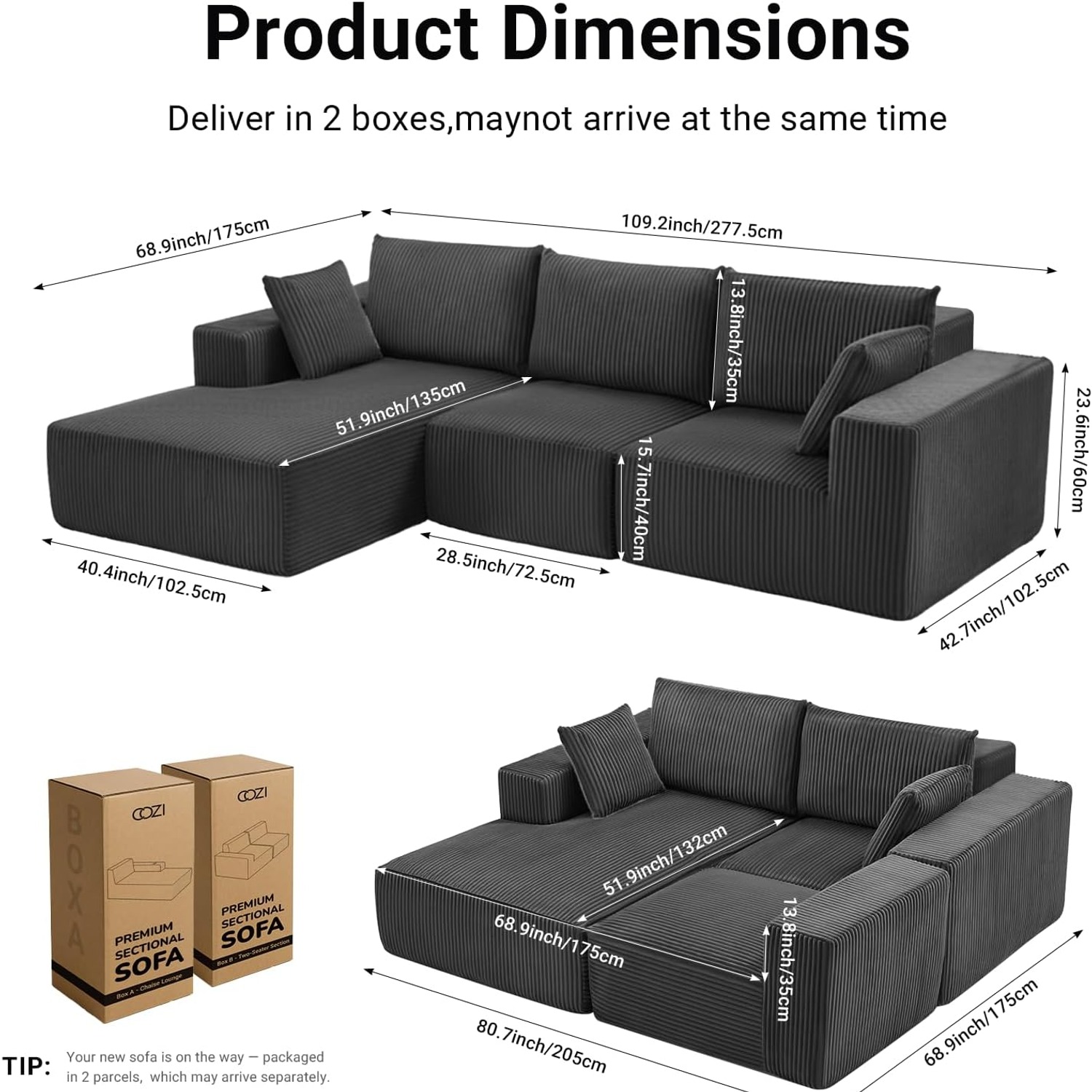
The seat depth of 135 cm is the headline number. That is deep. You can sit cross-legged, lie across it sideways, or stretch out with a cushion behind your back. The seat height of 40 cm is low by dining-chair standards and typical for a relaxed lounge. Those two numbers together tell you the character of the piece: it is a lie-down sofa, not a formal sitting-room sofa.
The frame is engineered wood. That material is standard in upholstered furniture because it holds its shape well and resists the seasonal movement that can affect some solid timbers. Total weight is 70 kg and the stated weight capacity is 349.96 kg.
Why corduroy
Fabric choice gets overlooked, then becomes the thing you notice daily. Corduroy has a ribbed, textured surface. It feels warm and soft in a way that flat weaves usually do not, which matters in winter when you are sitting on it in a t-shirt.
It is also quietly practical. The ribs break up the surface visually, so crumbs, light marks and the general texture of family life show less than they would on a smooth, uniform fabric. Pet hair tends to sit on the surface rather than working its way into the weave, which means a lint roller clears most of it in a couple of passes. Add regular vacuuming with an upholstery tool and the lounge stays looking tidy with very little effort.
The colour here is gray with a textured finish. Gray is the sensible default for a piece this size. You will likely change wall colour, rugs and cushions before you change the lounge, and gray sits happily underneath all of it.
Who it suits
This works best for households that use the living room properly. Families with kids who pile on for a movie. Couples who both want to stretch out at the same time. Anyone who has been quietly annoyed that their current sofa only has one good spot.
It also works well in open-plan spaces. Because the body of the lounge is armless, it can sit away from a wall and act as a soft divider between the living area and the kitchen or dining zone. You get a sense of separation without putting up anything solid.
It is less suited to a few situations. If you have mobility issues or struggle to rise from low chairs, the 40 cm seat height is worth testing against a chair you already own. If your room is genuinely tight, the 109 inch overall length is a lot of furniture, and a compact loveseat may serve you better. And it is indoor only, so sunrooms with weather exposure, verandahs and anything damp are out.
Measuring before you buy
This is where most sofa regret happens. Do the measuring properly and you will avoid nearly all of it.
Start with the floor. Mark out the full 109 inch L shape with painter's tape or newspaper on the floor where you want it. Live with the tape for a day. You will quickly find out whether the walkway behind it is too narrow or whether the chaise blocks a door swing.
Then check the route in. Measure your narrowest doorway, any stairwell turn, and the lift if you are in an apartment. The good news is that the lounge ships compressed and in separate modular sections, so you are not trying to manoeuvre one rigid frame around a corner. Still, with a total weight of 70 kg, plan on two people doing the carrying.
Finally, confirm the orientation. This model has a left hand facing chaise, meaning the long section extends to your left when you stand in front of it looking at the lounge. Stand in your room and picture it. Getting this backwards is the single most common ordering mistake with sectionals.
Setting it up
There is no assembly, no bolts, no allen key hunt. The lounge arrives compressed and vacuum-packed. You unpack the sections, place them where the tape outline told you to, and then wait.
The waiting matters. Compressed foam needs around 72 hours to return to its full height. Straight out of the bag the cushions will look flat and feel firm, and that is not what you are keeping. Pat the seats, give them a gentle fluff, open a window for airflow, and leave them alone for three days before you judge anything. Most disappointment with compressed furniture comes from assessing it on day one.
Once it has recovered, arrange the sections how you want them. If the room changes next year, move them again. That is the advantage of a modular format over a fixed sectional.
Keeping it looking good
Care is straightforward. Wipe spills with a clean, lightly damp cloth, blotting rather than rubbing so you do not push liquid deeper into the foam. Avoid soaking the fabric and skip harsh solvents and bleach. Let any damp patch air dry fully.
Vacuum the seats and the crevices between sections every week or two with an upholstery attachment. Grit is what actually wears fabric, more than sitting does. For pet hair, a lint roller is faster than anything else.
The seat cushion covers are removable, which makes occasional deeper cleaning possible. Read the sewn-in label before you wash anything, and follow it exactly. Rotate and plump cushions regularly so one favourite spot does not wear faster than the rest. And keep the lounge out of strong direct sunlight, since prolonged sun fades almost every upholstery fabric over time.
Making the most of the storage
The side pockets sound like a small thing. In practice they are one of those features you use several times a day. Remotes, a phone, a charging cable, a paperback, reading glasses. All the items that otherwise end up buried in a cushion gap or on the floor.
Give each pocket a job. One for remotes and the charger, one for whatever you are reading. It takes about a week to become habit, and then you stop losing things.
The short version
If your current sofa only has one comfortable spot, a deep L-shaped sectional with a chaise fixes that. This one gives you 135 cm seats, a 40 cm lounge-height sit, memory foam over spring packs for a medium feel, and a continuous back so there are no dead zones. Corduroy keeps it soft and forgiving around kids and pets.
The modular build means you are not locked into today's layout, and there is nothing to assemble. Measure your floor space and your doorway, double-check that a left-facing chaise suits your room, and allow three days for the foam to come up to full height. Get those three things right and the rest looks after itself.