
The complete guide
Choosing a 3 Seater Sofa Bed That Works Every Day, Not Just on Guest Nights
The problem with one room doing two jobs
Most homes run short of space in the same way. There is a living room that works fine most of the time, and then someone announces they are staying the weekend. Suddenly you are pricing inflatable mattresses, or apologising to a friend about the floor, or giving up your own bed and sleeping badly on the couch you already own.
A 3 seater sofa bed is the usual fix, but plenty of them are bad at one of the two jobs. Some are built around the bed mechanism and feel like sitting on a folded deckchair. Others look like a normal lounge and then produce a sleeping surface so thin that nobody volunteers to use it twice. The trick is finding one where the everyday seating holds up, because that is what you use 360 days a year.
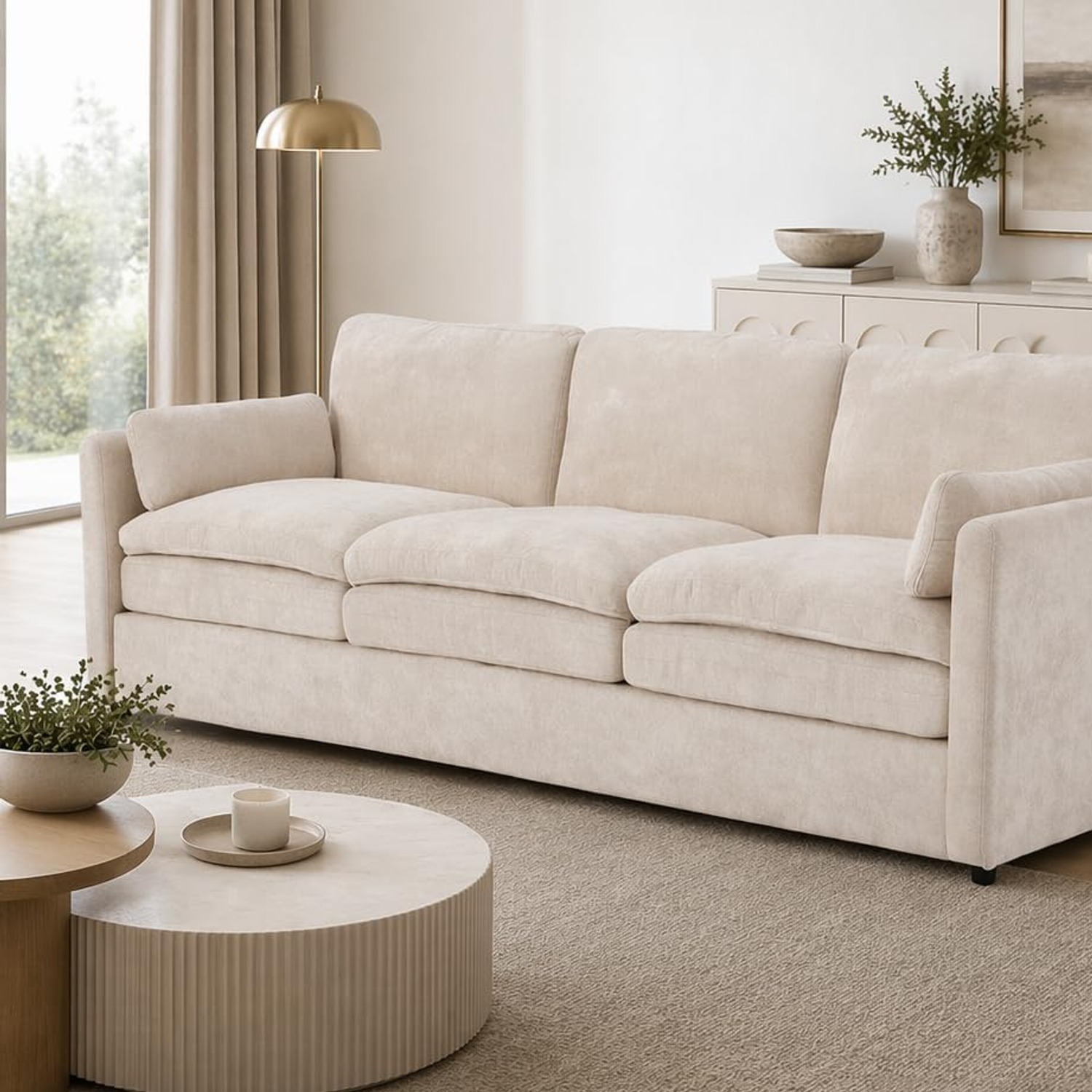
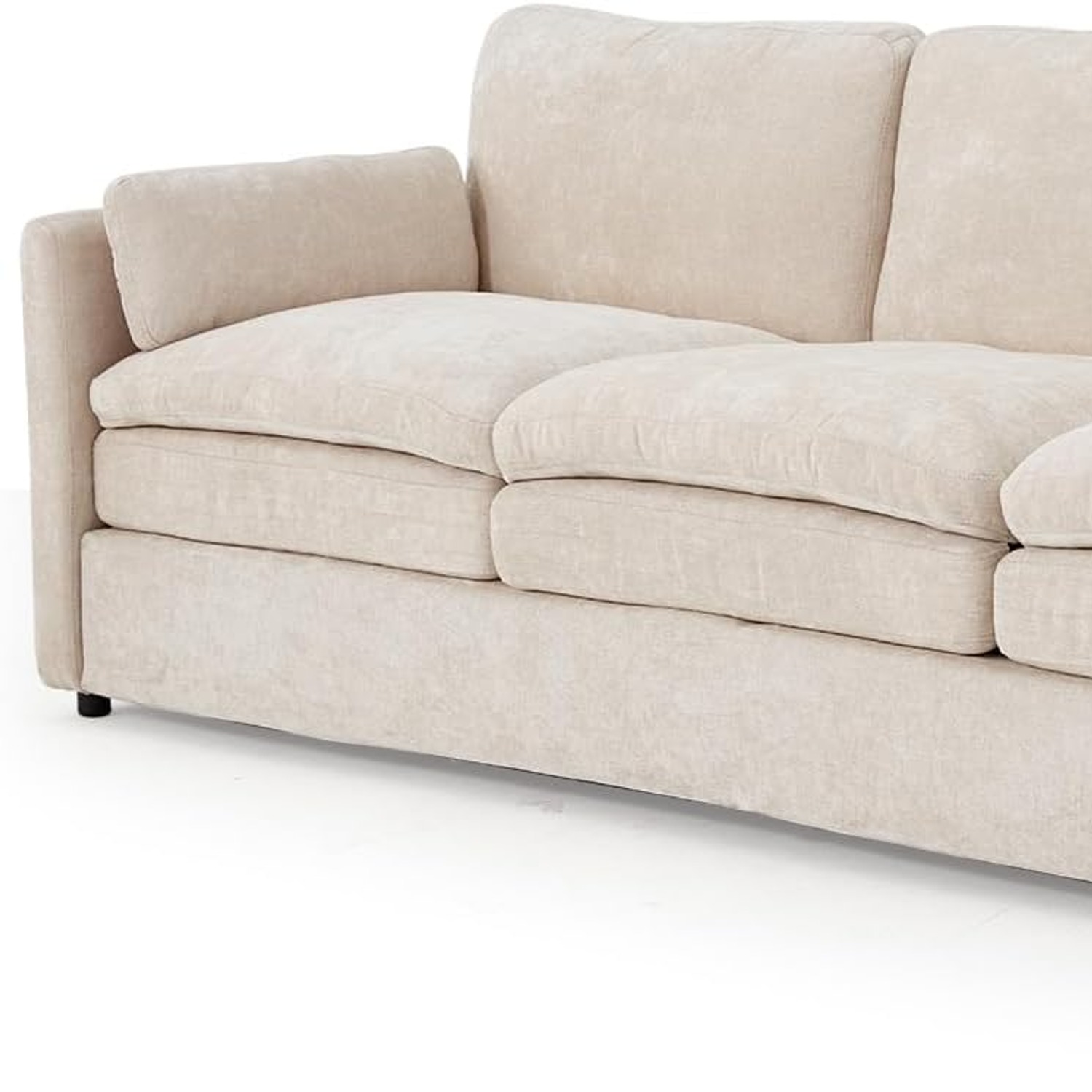
This guide walks through what actually matters when you compare convertible lounges, using this 226cm beige chenille model as the reference point.
How a convertible lounge bed works
The basic idea is simple. The sofa holds a sleeping surface inside or underneath its everyday form, and a mechanism lets you change between the two. You get a lounge most of the time and a bed when you need it.
The thing people underestimate is how much the seating design matters. A sofa bed still has to be a sofa. That means the seat depth, the cushion construction and the back support have to be good enough that you forget it is a convertible at all.
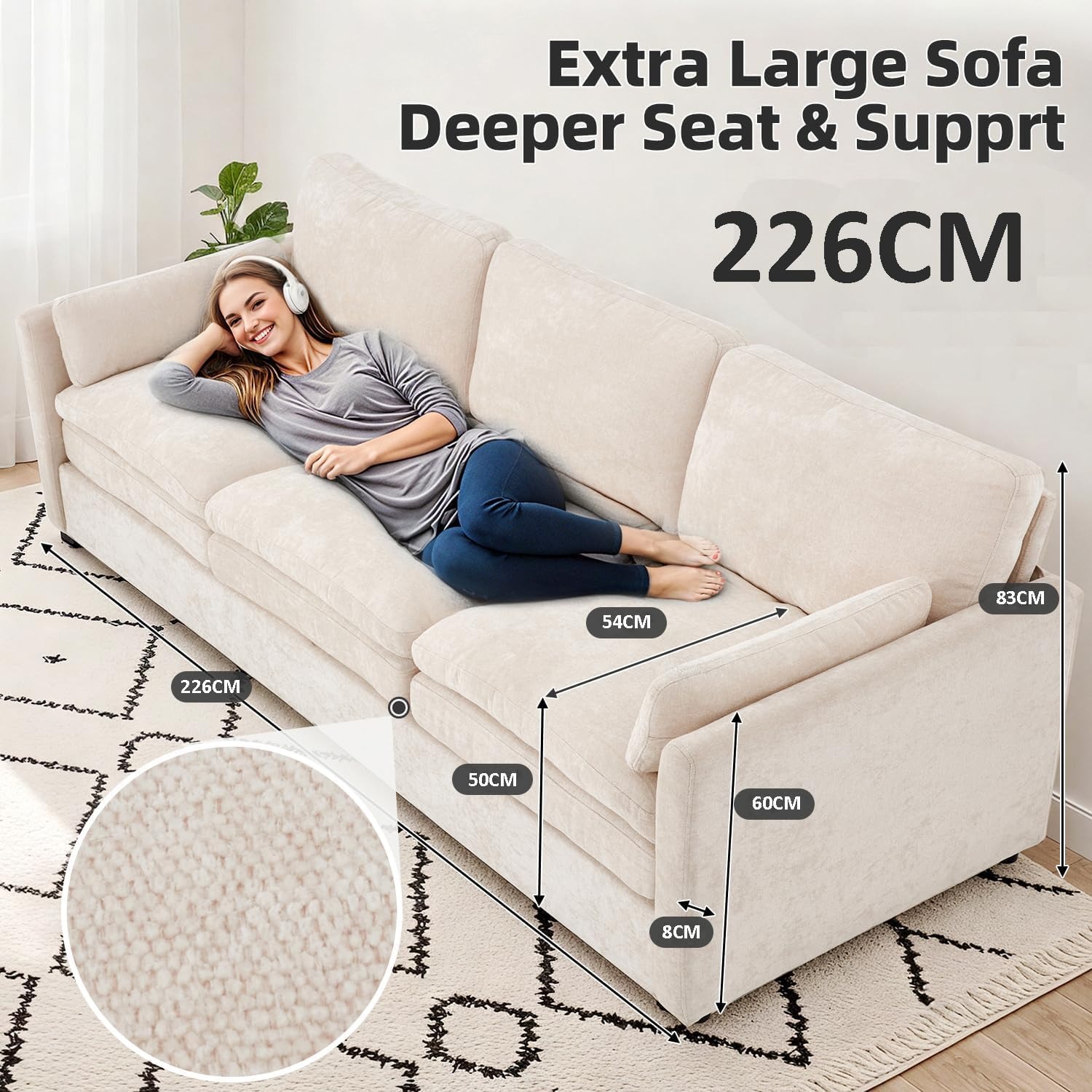
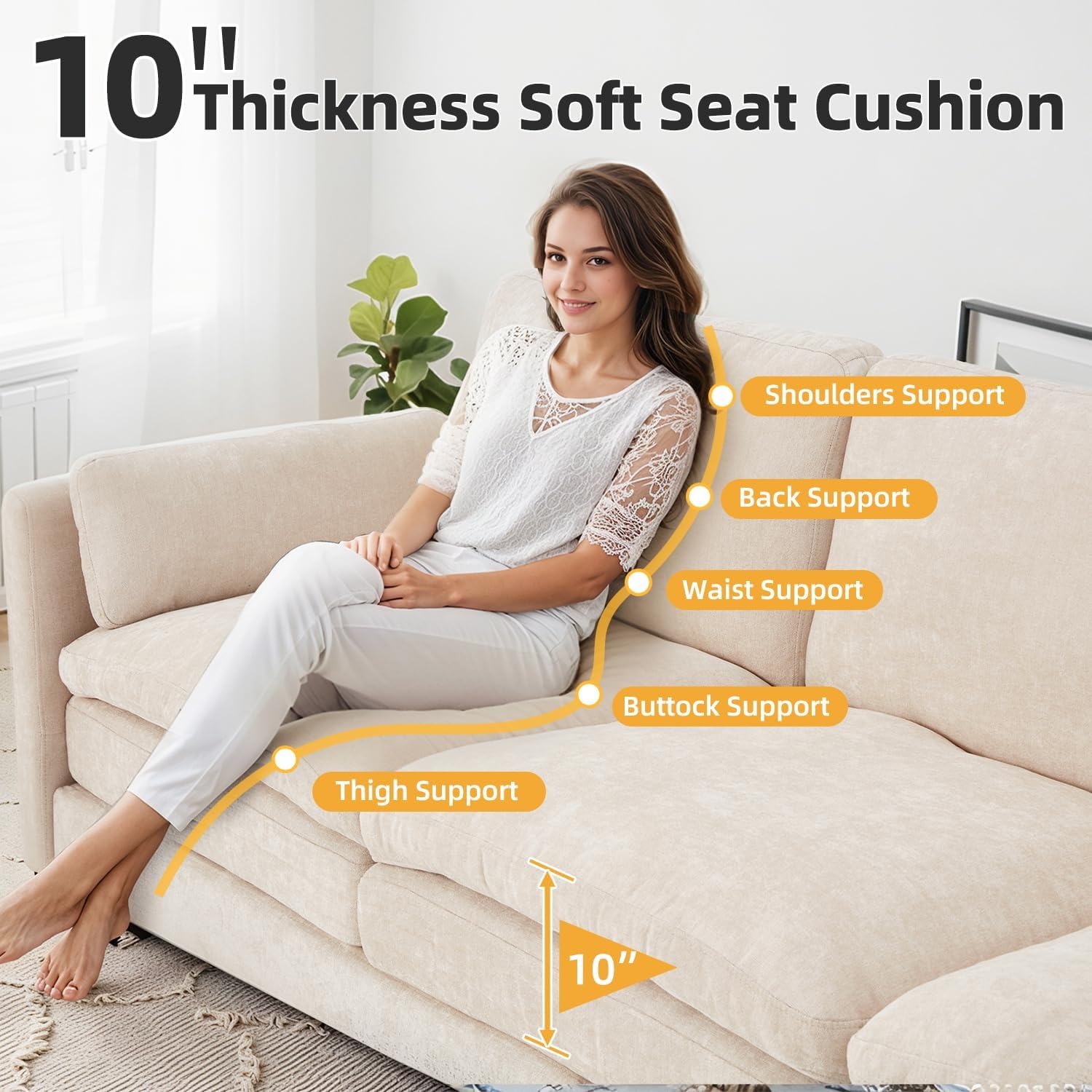
On this model, the seat depth is 56cm and the seat height is 50cm. Those numbers sound dry, but they describe how the sofa feels in practice. A 56cm seat is deep enough to sit back properly or pull your legs up, without being so deep that shorter people have their feet dangling. A 50cm seat height is close to standard dining chair height, which makes it easy to get in and out of.
The seat cushions use two layers of foam rather than a single block. A firmer base layer stops you bottoming out, and a softer top layer gives you the comfortable first impression. The back cushions are foam filled too and described as thick. Overall firmness is medium, which is where most people land when they are asked what they want.
The fabric decision
Chenille is a woven fabric with a short, soft pile. It catches light differently across the surface, which is why a beige chenille sofa looks like it has some texture rather than reading as a flat block of colour.
The practical upside is how it feels. Chenille is soft to the touch and warm in winter, which suits a sofa you lie on rather than just sit on. The practical downside, as with any fabric lounge, is that it needs a bit of attention. Vacuum it with a soft brush attachment every couple of weeks and you will stay ahead of the dust that works into the pile and dulls the colour.
The care instruction on this sofa is dry clean only. That is worth knowing before you buy, because it shapes how you handle spills. Both the seat covers and the back cushion covers are removable, which makes a professional clean on one cushion far easier than wrestling a whole sofa. But do not put them through a washing machine.
Getting it into your house
This is where a lot of lounge purchases go wrong. A pre-assembled three seater is a nightmare at apartment stairwells and tight hallway corners, and plenty of people have had a delivery driver shake their head at a doorway.
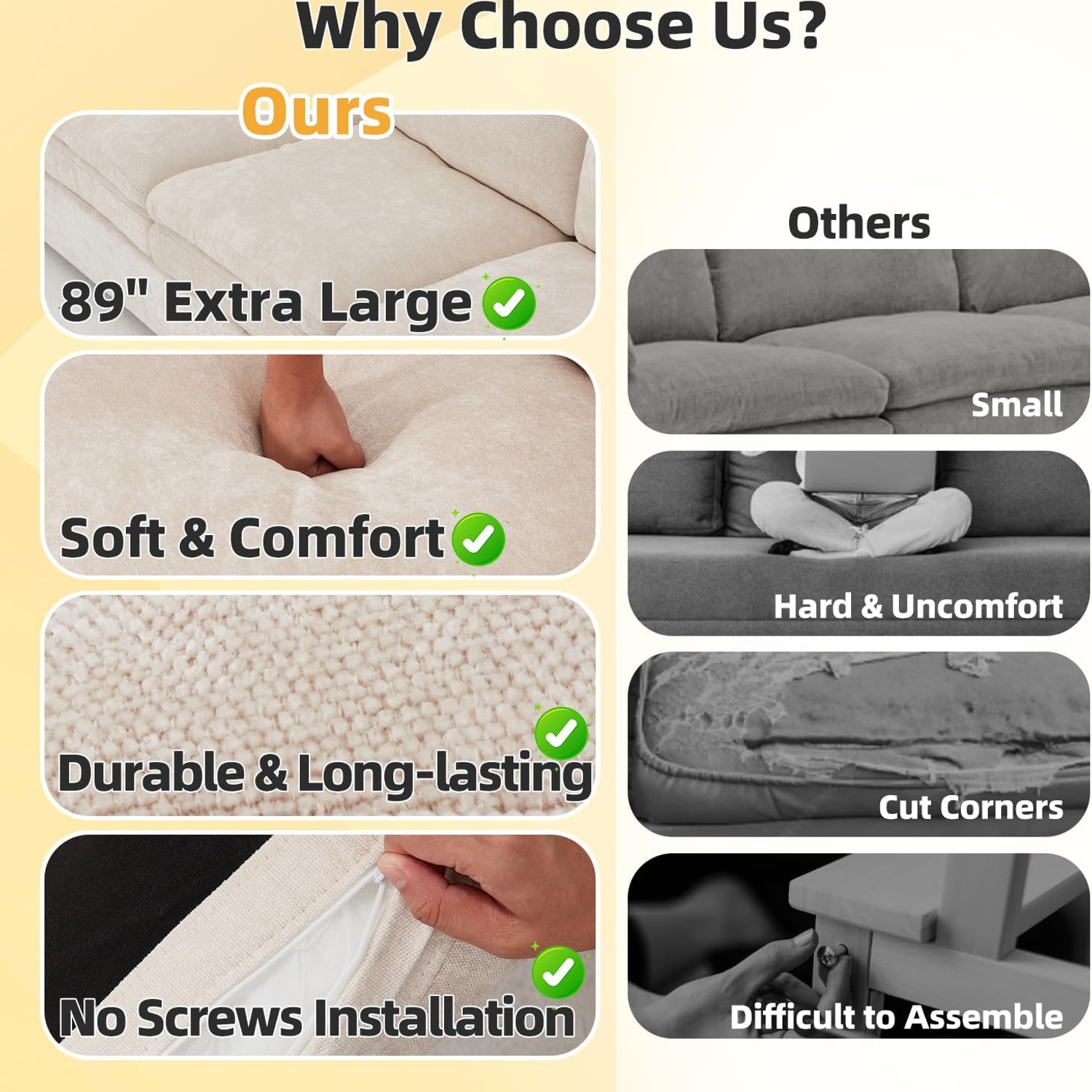
This sofa ships compressed in a single box. Vacuum packing lets a 226cm lounge travel in a package you can actually manoeuvre, and shipping it as one carton means you are not waiting on a second box that got separated in transit.
Two things to plan for. First, decide where the sofa is going before you open anything, and carry the sealed package into that room. Second, open the vacuum seal carefully. The contents expand fast when air gets in, so make a shallow cut, keep your face away and give the cushions space to recover. Let them sit for a few hours before you judge the shape.
Assembly needs no screws. Hardware, tools and the instruction sheet are in the box. It is one of those builds where reading the sheet first genuinely saves time.
Who this suits
A convertible lounge bed makes most sense in four situations.
You live in an apartment or a smaller house with no spare bedroom, and you still want family and friends to be able to stay. A sofa bed for small apartment living is the difference between hosting and not.
You have a home office or study that occasionally needs to be a guest room. You do not want a permanent bed eating the floor space, but you do want somewhere decent for a guest to sleep twice a year.
You are furnishing a rental or a first place and you want one piece of furniture to cover seating and spare sleeping. At 226cm this is a full-size family lounge, not a compromise loveseat.
You have a holiday house or a granny flat where the number of people staying changes from week to week.
Where it suits less well is as someone's permanent, every-single-night bed. A sofa bed handles regular guests comfortably. For a full-time sleeper, a proper mattress will serve better over years.
How to choose between models
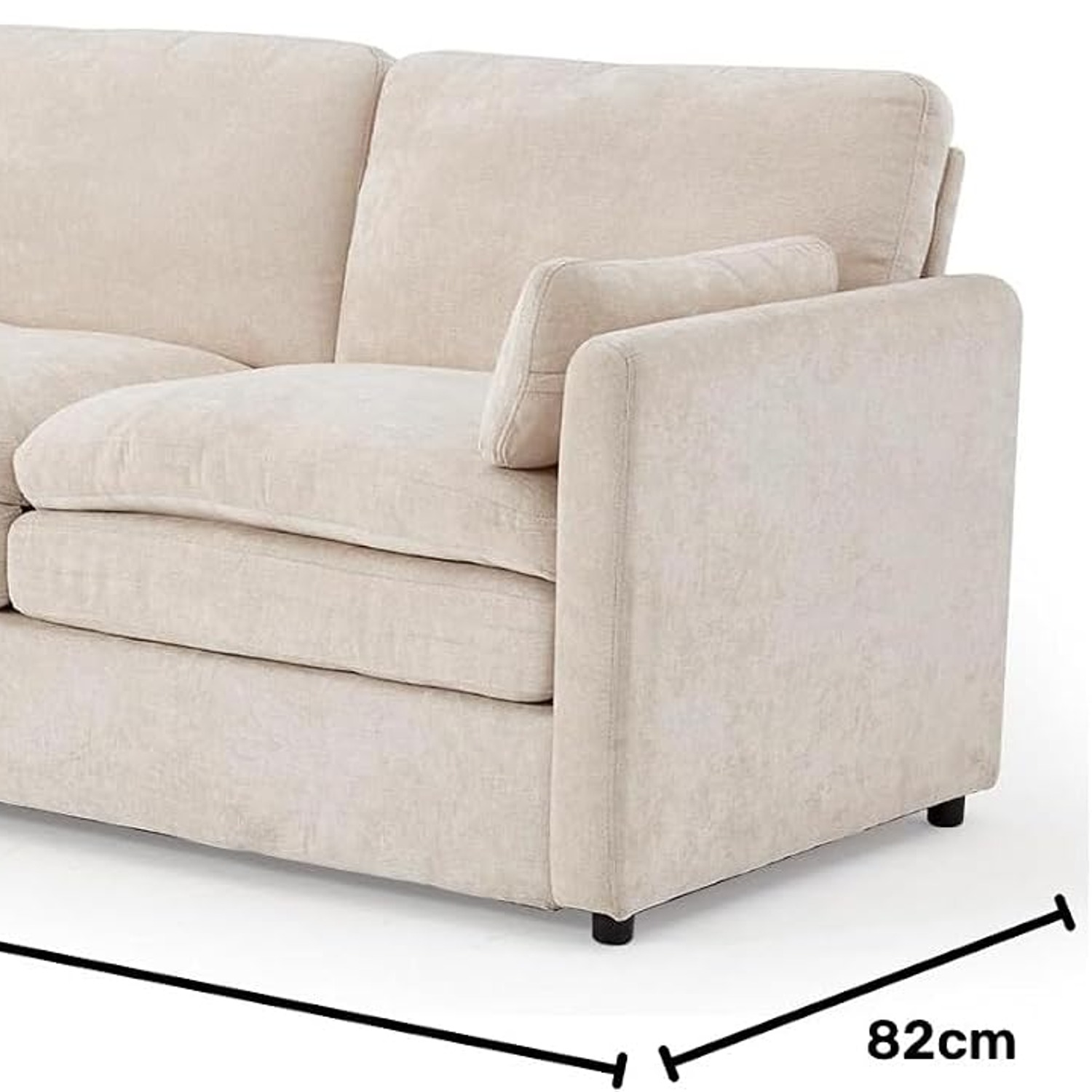
Start with measurements, not photos. Write down the length of the wall where the sofa will sit, then subtract a little for clearance at each end. This one needs 226cm. Then check the depth, which is 82cm here, and think about walkway space in front of it. Finally, measure your narrowest doorway and any stair turns, remembering the box is far more compact than the built sofa.
Next, look at the seating specs rather than the marketing. Seat depth and cushion construction tell you more about daily comfort than any photograph. Foam that is described by layer, as it is here, is a better sign than filling listed with no detail.
Then consider the cover. Beige is forgiving in most rooms and easy to style with cushions and throws, and this one comes with two throw pillows already. Think about your own tolerance for upkeep. Soft fabric feels better and asks for more care than a hard-wearing synthetic weave.
Check the structural numbers too. The frame here is wood, with wood and metal legs, and the stated weight capacity is 363kg. The sofa itself weighs 60kg, which is worth knowing if you move furniture around to vacuum.
Last, check the return conditions before you unseal anything. With a vacuum-packed sofa, once the seal is cut the item cannot go back in its original packaging. Measure twice, decide, then open.
Looking after it
Vacuum the chenille regularly with a soft brush head. Blot spills straight away with a dry cloth, working inwards, and resist the urge to rub. Rotate and plump the seat and back cushions every few weeks so the foam compresses evenly rather than forming a dip where everyone sits.
Keep the sofa out of direct sunlight if you can. UV fades beige fabric over time, and it is the sort of change you only notice when you move a cushion and find the original colour underneath. Keep it indoors, since foam, chenille and a wooden frame do not handle damp well.
The short version
If you need a lounge that seats three properly and sleeps one occasionally, this covers both without asking for a spare room. The 226cm length, 56cm seat depth and two-layer foam cushions mean the everyday seating is the main event rather than an afterthought. The chenille cover feels soft and asks for dry cleaning rather than a wash. It ships in one box, builds without screws, and comes with two throw pillows included.
Measure your wall and your doorway, decide before you cut the seal, and you will have a piece of furniture that quietly solves two problems at once.