
The complete guide
How to Choose a U Shaped Sectional Lounge That Fits Your Room
The problem with buying a sofa once
Most people buy a sofa for the room they have today. Then the room changes. A wall comes down, a television moves, a baby arrives, or you move house entirely and the beautiful left-hand chaise ends up facing a window instead of the screen. The sofa is fine. The shape is wrong. And because it is one welded frame wrapped in fabric, there is nothing you can do about it except sell it at a loss.
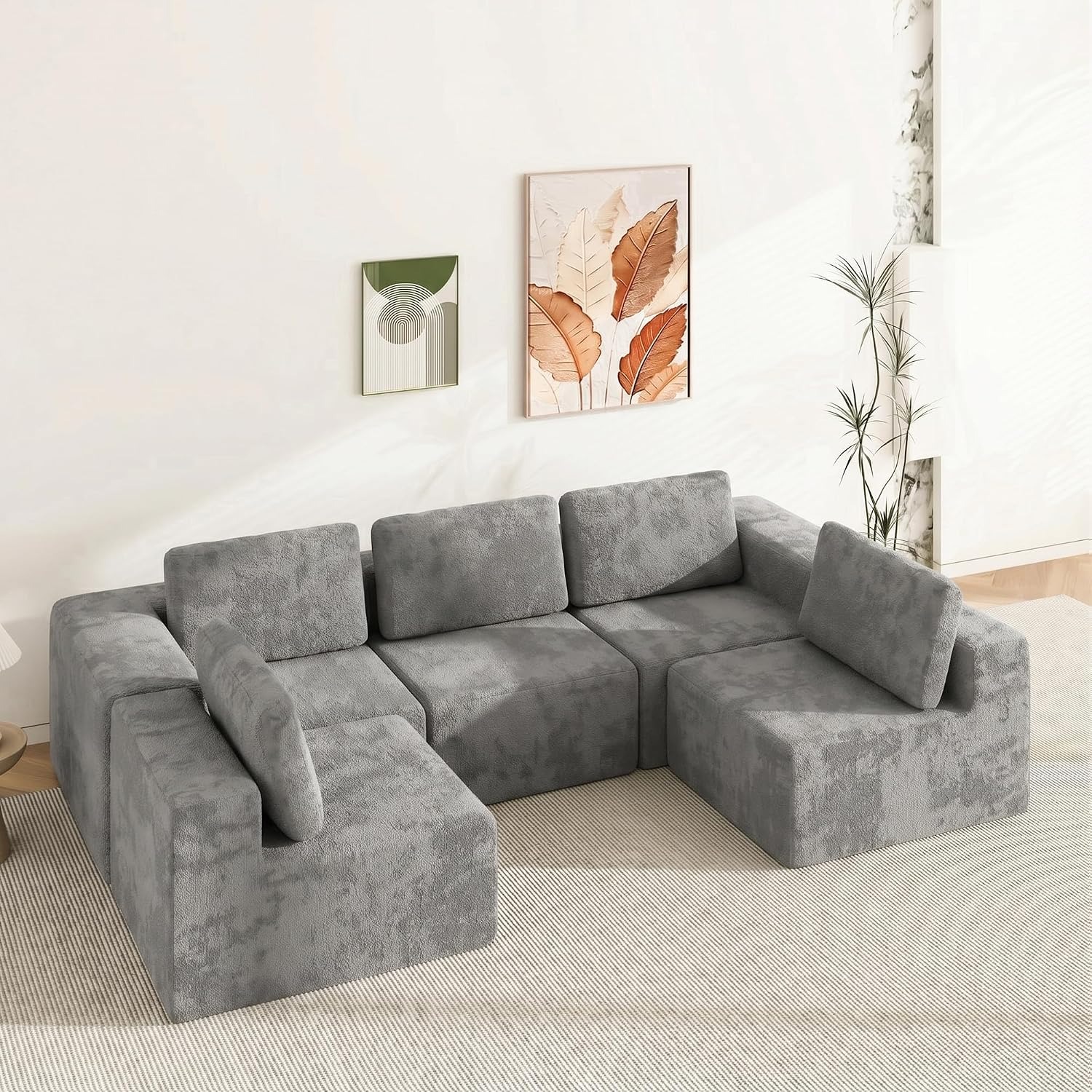
A u shaped sectional lounge solves that by not being one thing. It is a set of separate seating modules that push together. Today they run flat along a long wall. Next year they wrap into a U around the rug. After a move, the three seater goes in the lounge and the two seater armless section goes in the study. Same furniture, different life.
How a modular lounge actually works
There are no connectors to fix and no assembly required with this design. You unpack the modules, place them where you want them and push them together until the arms and backs line up. Because the base has no legs, the modules sit flat on the floor and meet cleanly without any gap at the bottom.
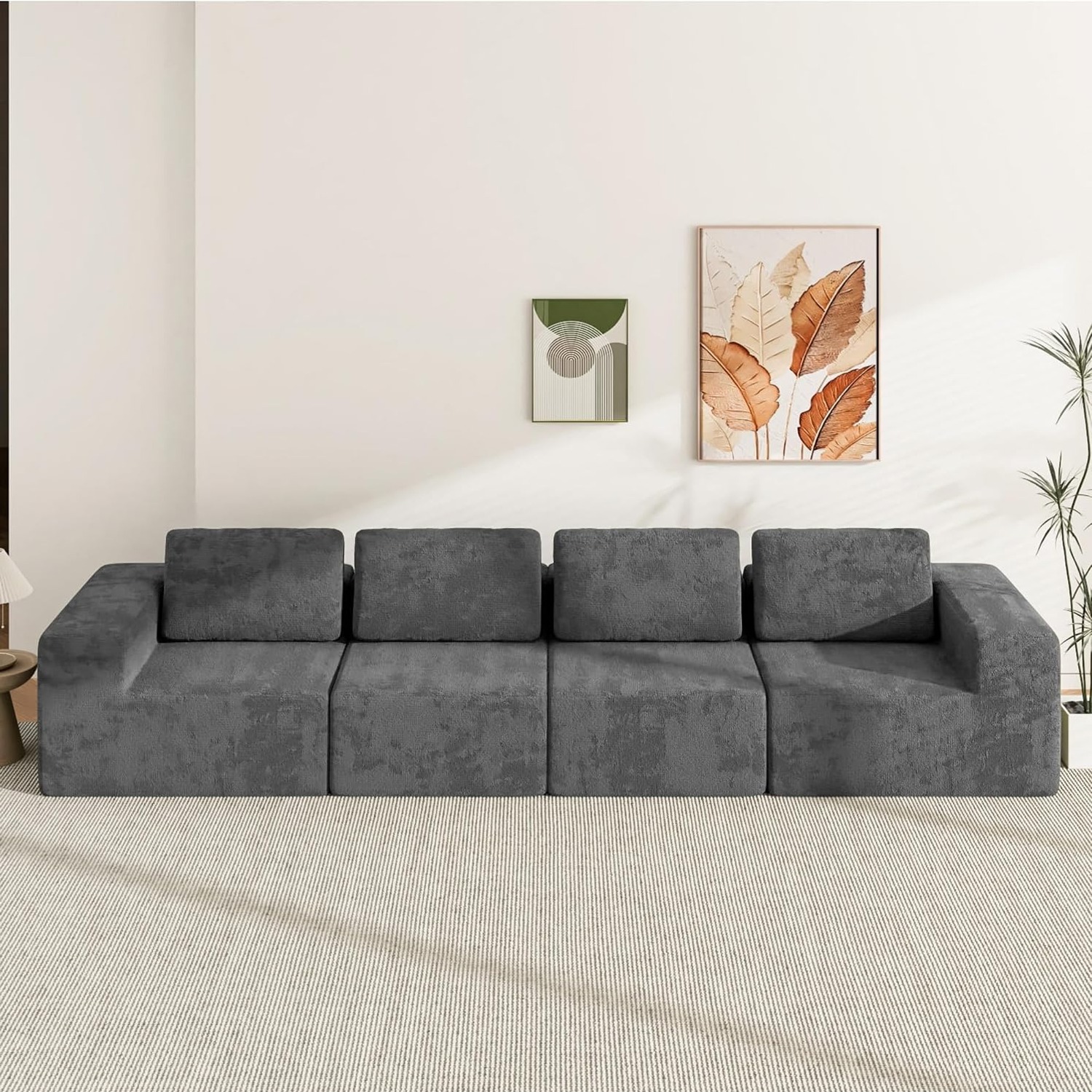
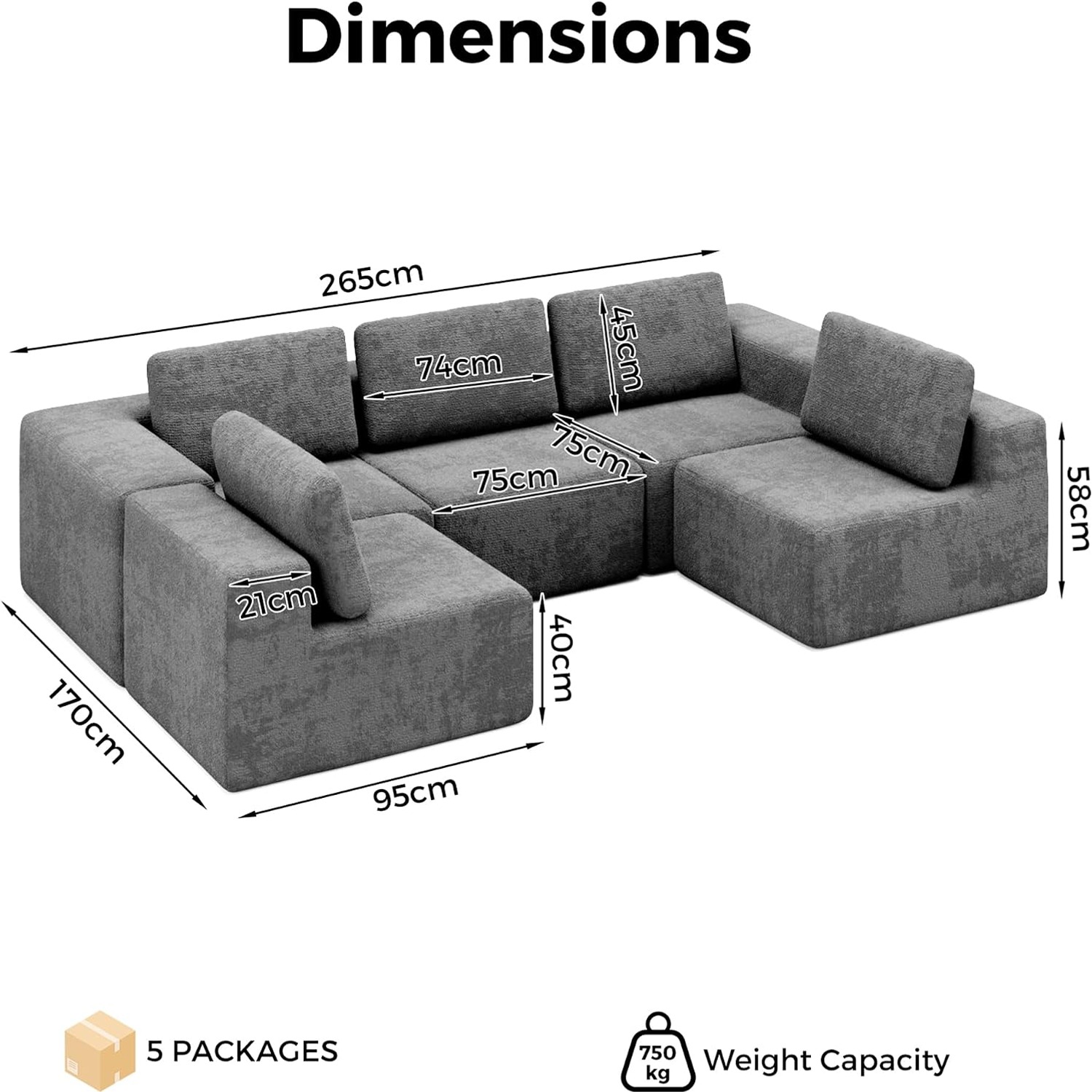
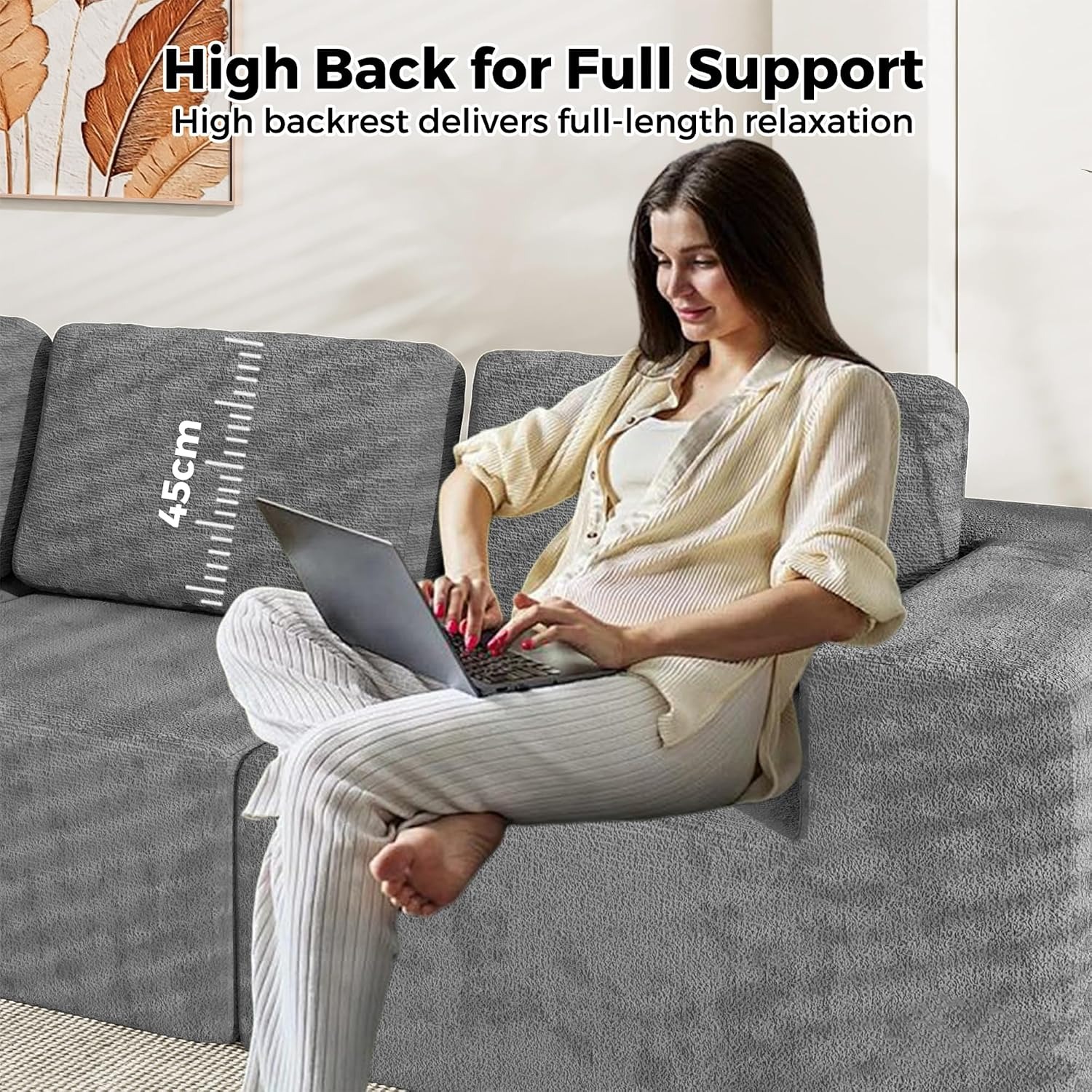
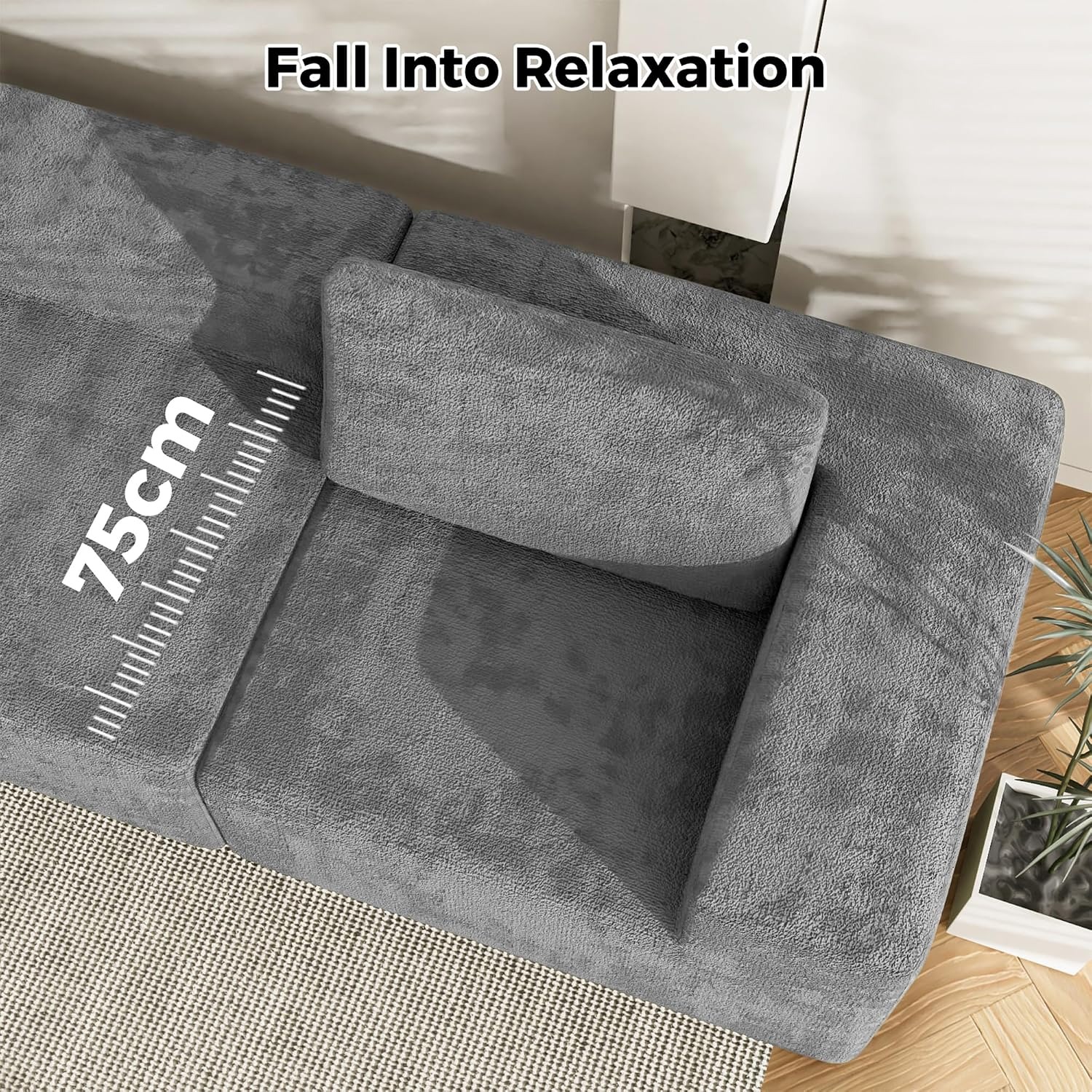
The full straight run measures 415cm wide, 95cm deep and 80cm high. Those are the numbers to write down before you go any further, because they tell you most of what you need to know. A 95cm depth is generous. It is the difference between a sofa you sit on and a sofa you lie on. The 40cm seat height is low, which suits relaxed lounging rather than formal upright seating.
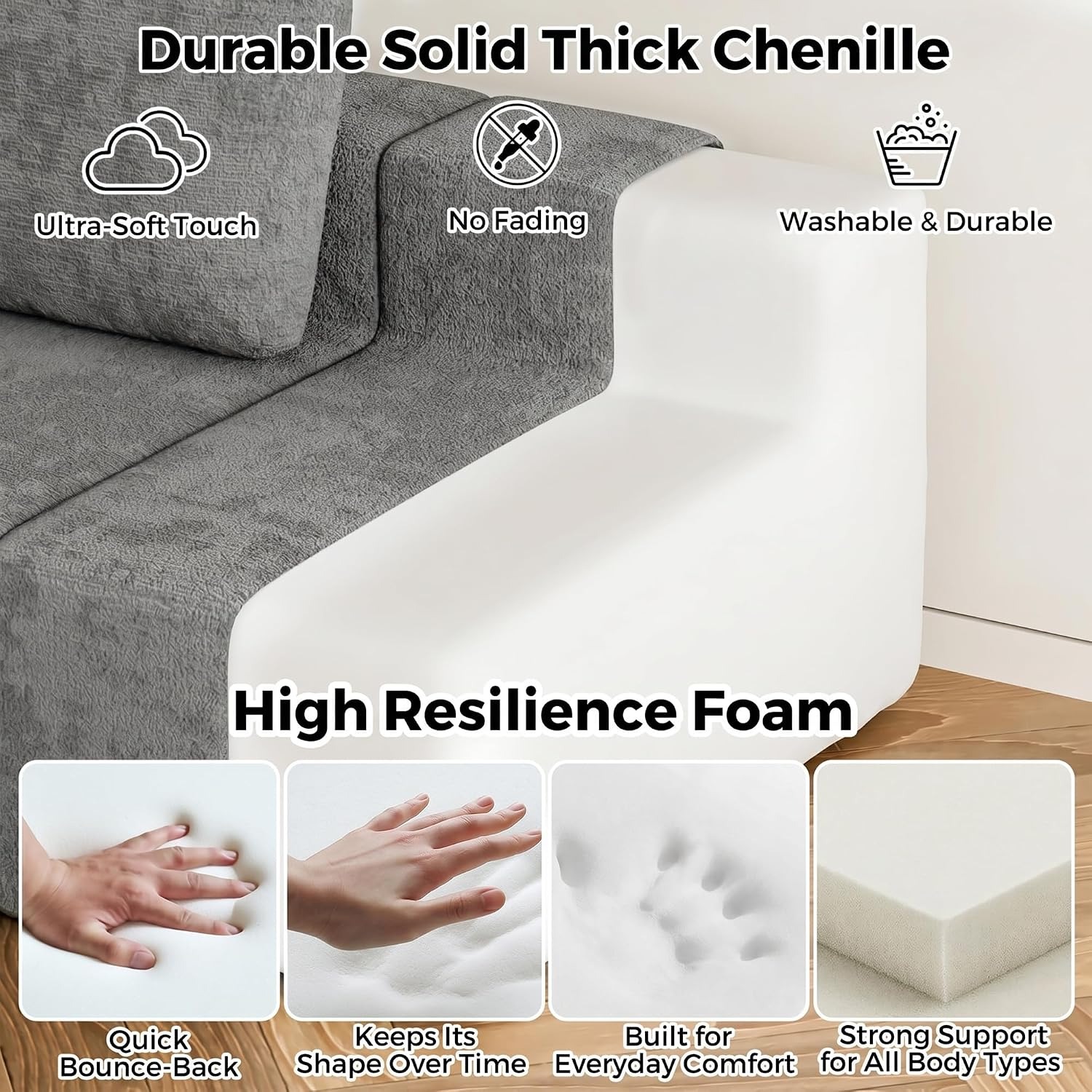
Inside, the seating uses foam and sponge filling over a wood and metal structure. The listed firmness is soft, so expect a plush feel rather than a firm one. The weight capacity is 750kg, which is a lot of headroom, and it matters most on a five seat lounge where the whole family piles on at once.
Who this suits
Think about how your household uses the living room. If one person reads in a corner while another watches a screen and two kids build something on the floor, a long straight sofa points everyone in the same direction whether they like it or not. A U shape changes that. It closes the circle and gives each side of the room its own anchor.
This lounge suits open plan living especially well, because a U or L arrangement can define a seating zone without needing walls. The back of the sofa becomes the boundary between the lounge area and the dining or kitchen space. People searching for the best lounge for open plan living usually end up at modular designs for exactly this reason.
It also suits renters and anyone who moves often. A fixed five seat sectional is a nightmare to shift. Separate modules go through doorways one at a time, fit in a smaller van, and reassemble in minutes without tools.
It is less suited to narrow rooms with no long wall and no room to wrap, or to people who want a firm, high, upright seat for easy standing. If you need to get up and down frequently, test a 40cm seat height before committing.
Measuring properly before you buy
This is where most sofa regret starts. Take a tape measure and mark the 415cm run on the floor with painter's tape. Then mark the 95cm depth. Walk around it. Can you still open the door? Can two people pass between the sofa and the coffee table? Thirty centimetres of walkway feels tight. Sixty feels right.
Then measure your access route. Doorway width, hallway corners, stairwell turns, lift dimensions. With a modular lounge you are moving individual sections rather than one huge frame, which makes this far less stressful than with a traditional sectional, but it is still worth checking.
Finally, think about where the power points and the screen are. A U shape wants a focal point in the middle of the open side. If your television is on a wall that the U would turn its back on, flip the configuration before you settle.
Living with chenille
Chenille is a woven fabric with a soft pile that catches light and feels warm to touch. It is a popular upholstery choice because it is comfortable in both hot and cold weather, unlike leather look fabrics that stick in summer and feel cold in winter.
The care instruction for this lounge is simple. Wipe with a damp cloth. For everyday upkeep, vacuum the seats and the gaps between modules with a soft brush head. Crumbs and grit are the real enemy of any woven fabric, because they work into the weave and wear the fibres from the inside.
If something spills, blot it. Do not rub. Rubbing pushes liquid deeper and can flatten the pile in a patch that shows afterwards. The seat cushion covers are removable, which gives you options for the areas that get the most use. Always check the care label on the cover itself before putting anything in water.
Sunlight is the other thing to manage. Constant direct sun will fade any fabric over the years, grey included. A sheer blind or a slight angle away from the window goes a long way.
Keeping it looking good for years
Rotate the seat cushions every month or two. On a five seat lounge, one or two spots get used far more than the rest, and rotating spreads the compression evenly. Plump the back cushions when you tidy up, the same way you would a bed pillow.
On hard floors, a rug under the lounge helps in two ways. It stops the modules drifting apart during enthusiastic use, and it visually ties the arrangement together so a U shape reads as one piece of furniture rather than several.
New foam seating takes a little time to settle into its final shape and feel. Sitting on it, moving between seats and giving the cushions a firm pat all help it reach an even, comfortable state sooner.
Configuration ideas worth trying
The long run works when you have one good wall and a screen opposite. It seats the most people in a line and keeps the floor open.
The L shape is the everyday favourite. One arm along the wall, one arm out into the room, with the corner as the prize seat. It uses less wall and more floor.
The full U closes the circle. This is the configuration for conversation, board games and big groups. It needs floor space in the middle, so pair it with a smaller coffee table or an ottoman rather than a large rectangular one.
Split into two is the option people forget. A three seater in one room and a two seater armless section in another means one purchase furnishes two spaces. It is also the arrangement that makes moving house easy.
The short version
This is a five seat, 415cm by 95cm chenille lounge in grey, built on wood and metal with foam and sponge filling, rated to 750kg, with removable seat cushion covers and no assembly required. The seat sits low at 40cm and the seating is soft rather than firm.
What you are really buying is flexibility. Straight, L shaped or U shaped, or two smaller sofas when you need them. Measure your room, mark the footprint on the floor, check your doorways, and pick the configuration that faces people the way you actually live. Done properly, this is one of the few large furniture purchases that does not need redoing the next time the room changes.